Our Story
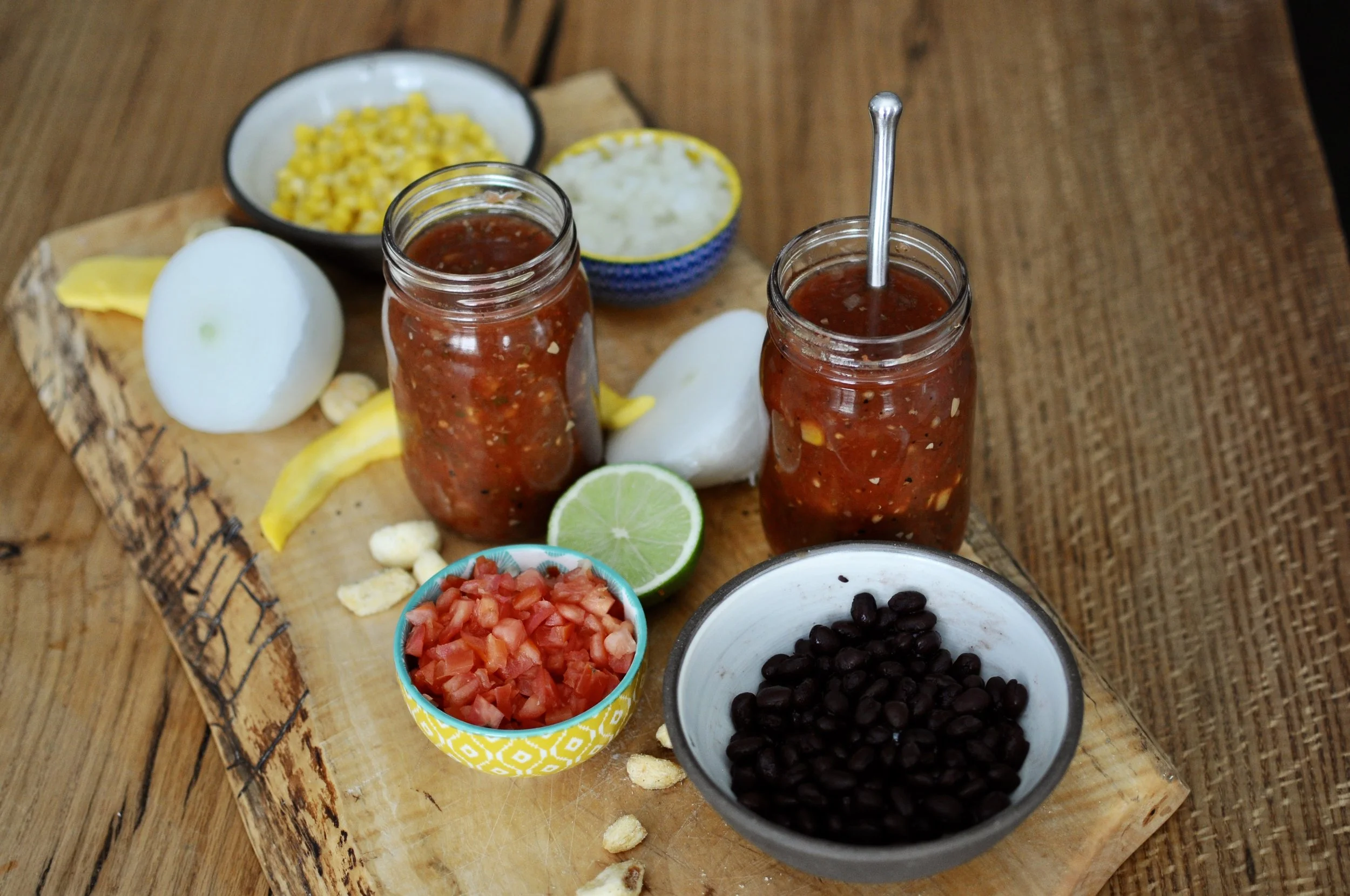
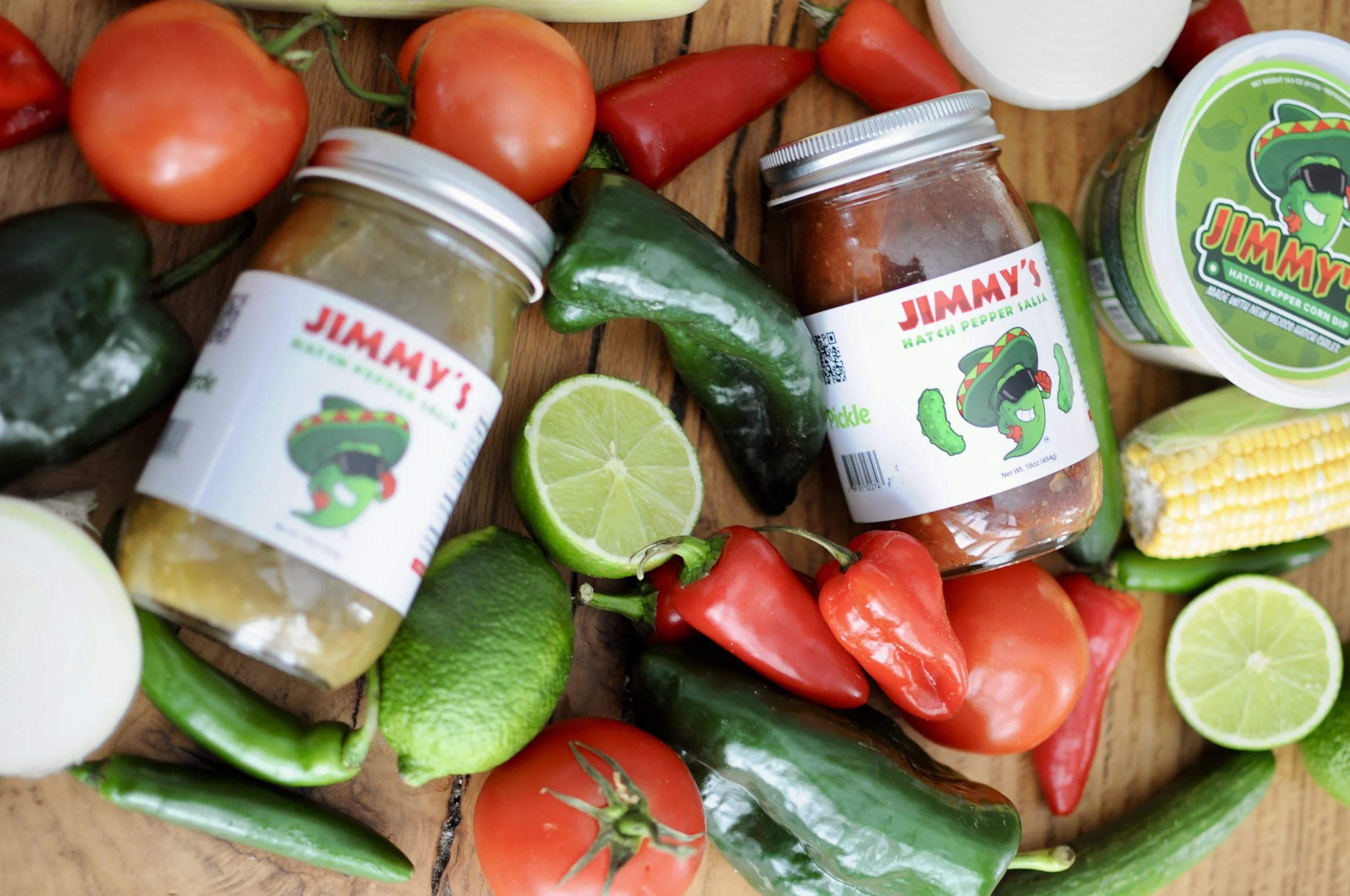
Our story begins in 2003, when we stumbled upon Hatch peppers at the Hatch PepperFest hosted by Dallas Central Market. One bite sparked a journey. Those bold, vibrant flavors inspired years of recipe testing, late-night batches, and endless taste-testing sessions. Before long, our Hatch pepper salsa, and the homemade tortilla chips we crafted to go with it became the most-requested staples among friends and family. For 18 years, people kept telling us, “You need to share this with the world.”
So we did.
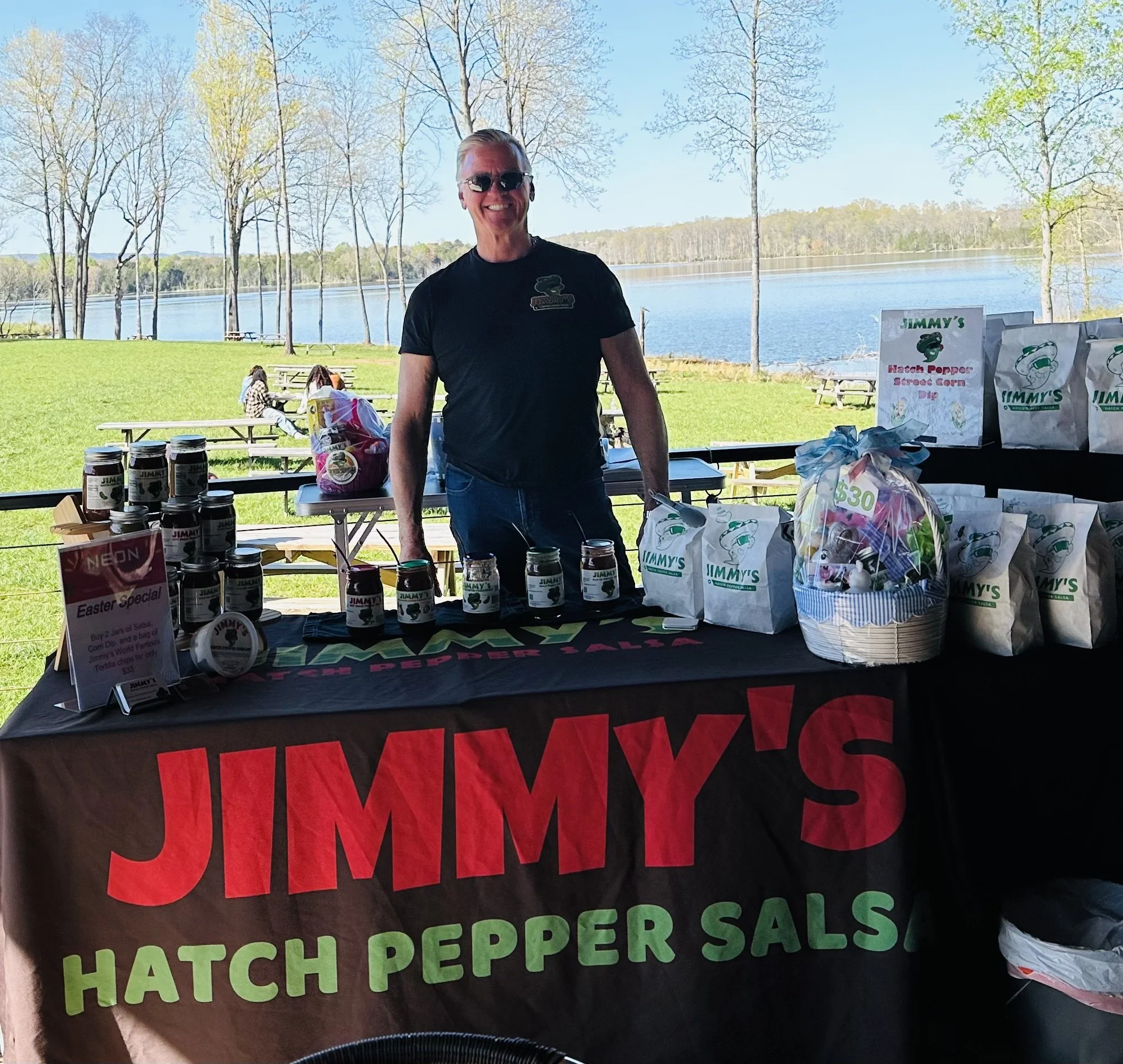
On September 3rd, 2022, we officially introduced our brand at the Manassas Farmers Market.
Our launch wasn’t just successful, it confirmed what we already believed: great flavor brings people together. What began as a simple hobby has evolved into a purpose-driven small business built on authenticity, craft, and a love for bold, unforgettable taste. Today, our mission is the same as it was in our kitchen years ago: to bring the unmistakable flavor of Hatch peppers to people who crave something real.
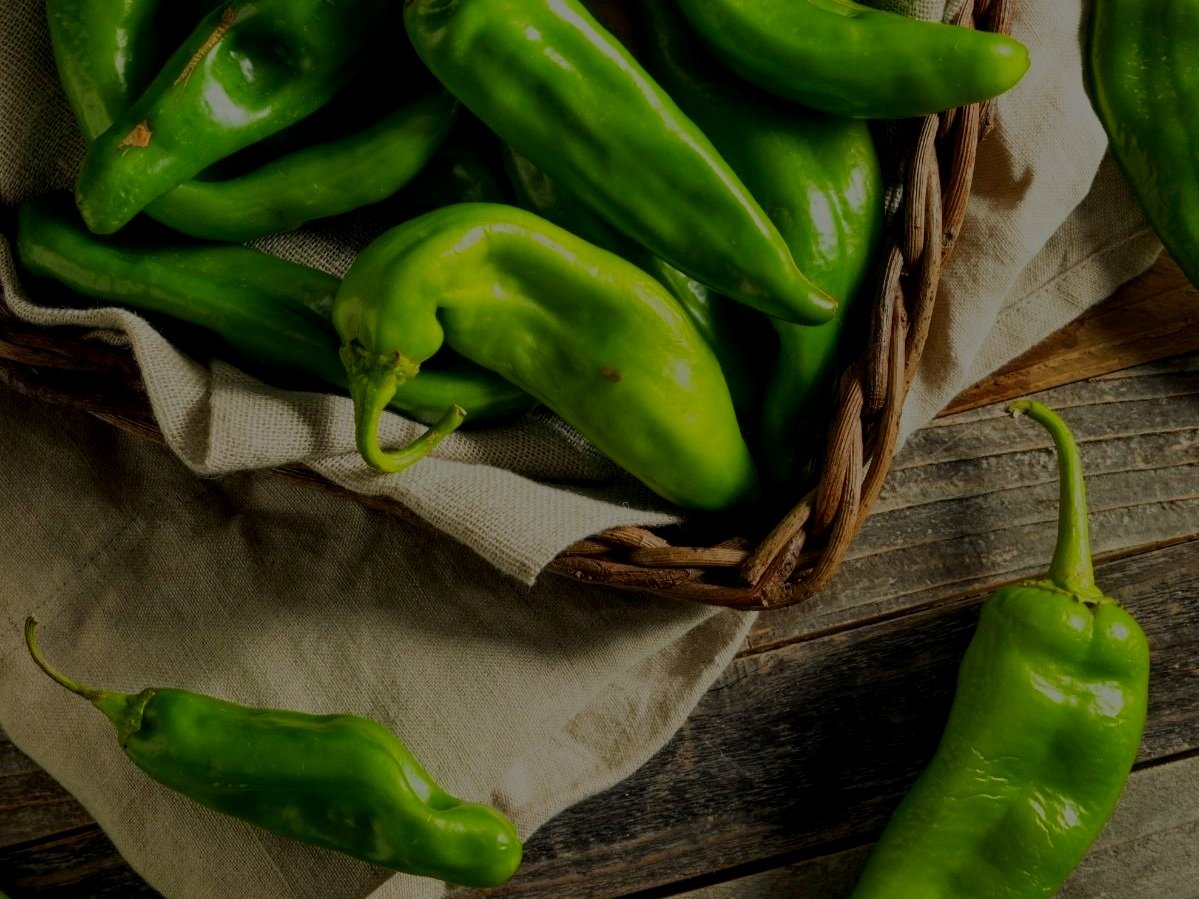
Located in the heart of the Rio Grande agricultural territory, Hatch, New Mexico, is often referred to as the Chili Capital of the World.
The name "Hatch peppers" often refer to the type of chilies the area has brought to fame, regardless of where they were actually grown, though to be authentically called a Hatch pepper, the pods must be grown in the Hatch region.
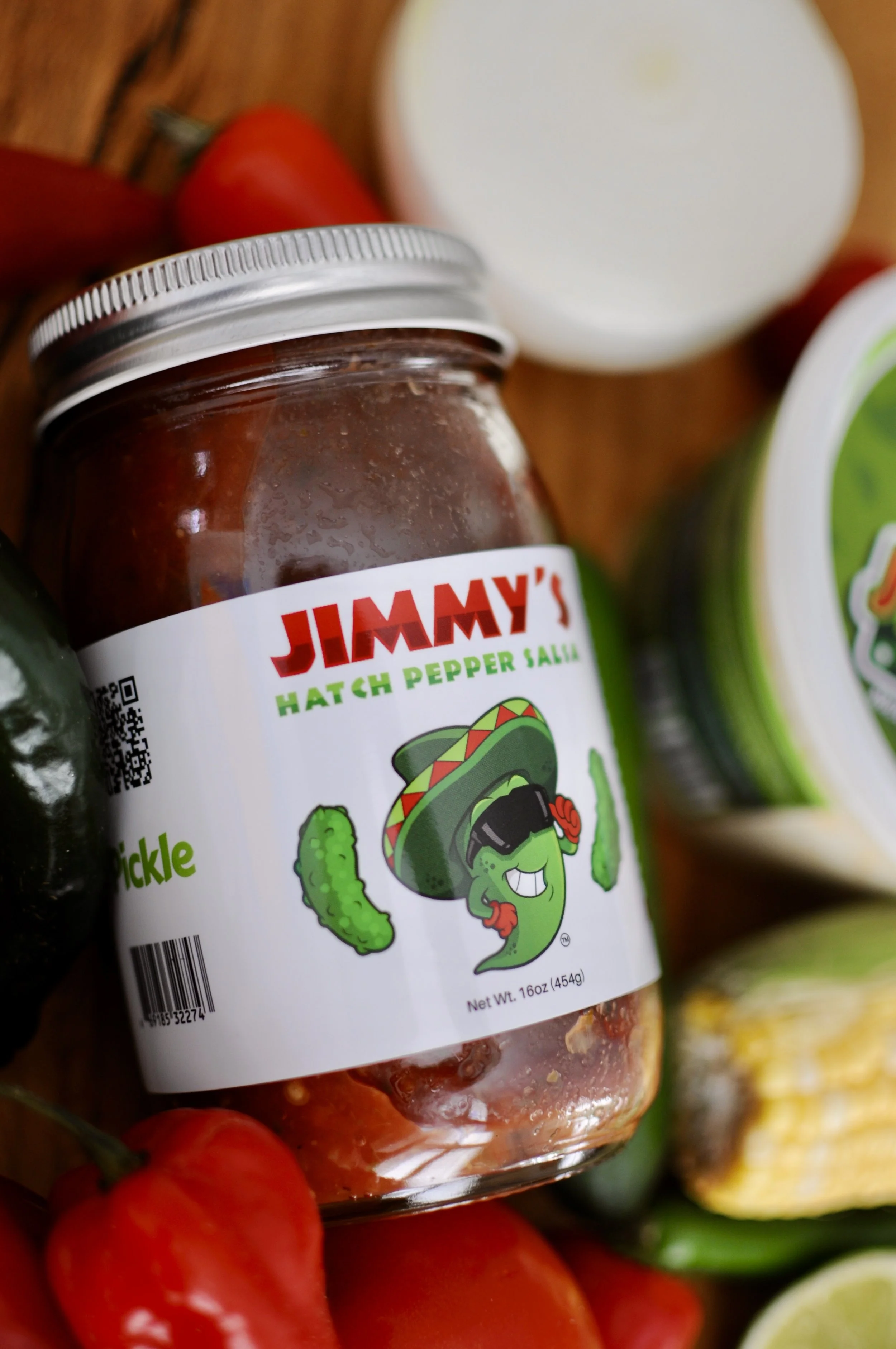
They are quite earthy in flavor, and some say their flavors are affected positively by the rich regional soil in which they are grown.
They can be eaten raw, offering a crisp, spicy flavor and a mild pungency similar to an onion, though they are typically roasted which gives them a smoky, rich, earthier, sometimes buttery flavor…with a bite!
Because there are different types of peppers that can be categorized as Hatch Chile Peppers, their heat levels can vary from a fairly mild to upwards of 10,000 to 25,000 Scoville Heat Units (SHU). However, some can be on par with the Habanero Pepper at 100,000+ SHU
Hatch Chile Season
Hatch chile peppers have a very short cultivation season, as they are larger peppers with very thick walls. They are typically harvested in August and September each year, though the season can be extended a couple weeks on either side, depending on the weather.